The F1 Luxury Race is Underway: How Kering Made Its Bid
"You can't connect the dots looking forward; you can only connect them looking backwards," Steve Jobs famously said during his Stanford commencement address.
Although Jobs was speaking about his own life's journey, the idea of only connecting dots in hindsight perfectly captures this moment. A year ago, nobody could make sense of why Kering hired an automotive executive to lead a luxury conglomerate. Today, looking backwards, it's impossible not to see it.
Fashion Meets Formula 1
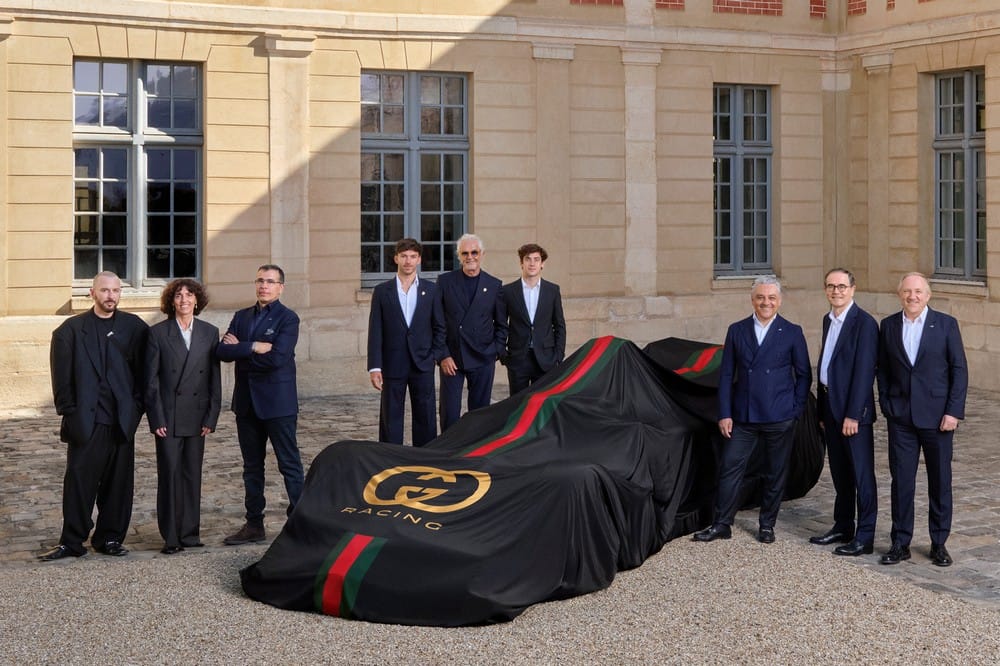
Gucci has announced it will become Alpine's title sponsor starting in 2027. The team will race under the new name Gucci Racing Alpine Formula One Team and will adopt Gucci's color scheme, a full makeover of the current theme.
While brands like Rolex, IWC, Louis Vuitton, and TAG Heuer (both LV & TAG Heuer are under the LVMH umbrella) have long had partnerships with Formula 1, this feels like something different entirely. As Gucci's own President and CEO Francesca Bellettini confirmed, Gucci becomes "the first luxury fashion house to serve as Title Partner in Formula 1," front and center at every single race.
The Racing Grid of Luxury Retail
To understand why this moment matters, you have to look at where each major luxury conglomerate stands in the sport.
LVMH struck a landmark 10-year global deal with F1, announced in late 2024 and launched at the start of the 2025 season, bringing Louis Vuitton, TAG Heuer, and Moët Hennessy under one umbrella.
Richemont's IWC Schaffhausen has been partnered with Mercedes-AMG since 2013 and extended its motorsport reach as a sponsor of the F1 film starring Brad Pitt.
Even Rolex understood the market and paid a significant premium annually just to be the "official timekeeper of F1" from 2013 until 2024.
Kering, by contrast, has had no flagship brand in the sport. Maui Jim, acquired by Kering Eyewear in 2022, does hold an active partnership with Oracle Red Bull Racing, but a sunglasses brand operating under an eyewear subsidiary is a different proposition than what LVMH and Richemont have established in this prestigious sport.
The gap between Kering and its main rivals was real and visible.
Enter Luca de Meo
When de Meo was appointed CEO of Kering in September 2025, the move was puzzling to most. What was an automotive executive with 30-plus years of experience at Fiat, SEAT, and Renault doing at the helm of a luxury conglomerate?
Now, the dots connect.
De Meo was not just a car executive. He was the former CEO of Renault Group, the parent company that owns Alpine, and the man who oversaw the rebranding of Renault's F1 team into Alpine in the first place. He didn't just know the sport. He spearheaded the transformation.
In hindsight, his hiring at Kering was not a puzzle at all. It was a calculated move. De Meo's existing relationship with Alpine allowed Kering to fast-track what could have taken years of negotiation and turn it into a title sponsorship. This move will now establish Kering's foundation in F1 as a major player for years to come.
The Next Lap
This deal will turn heads across the luxury world, and executives at competing houses are paying attention.
With LVMH locked in at the global partnership level and Richemont deepening its grip through Mercedes, Kering has made its opening statement. The competition for Formula 1's most valuable real estate continues to heat up.
The only question left is which luxury brand will be next to join the race?